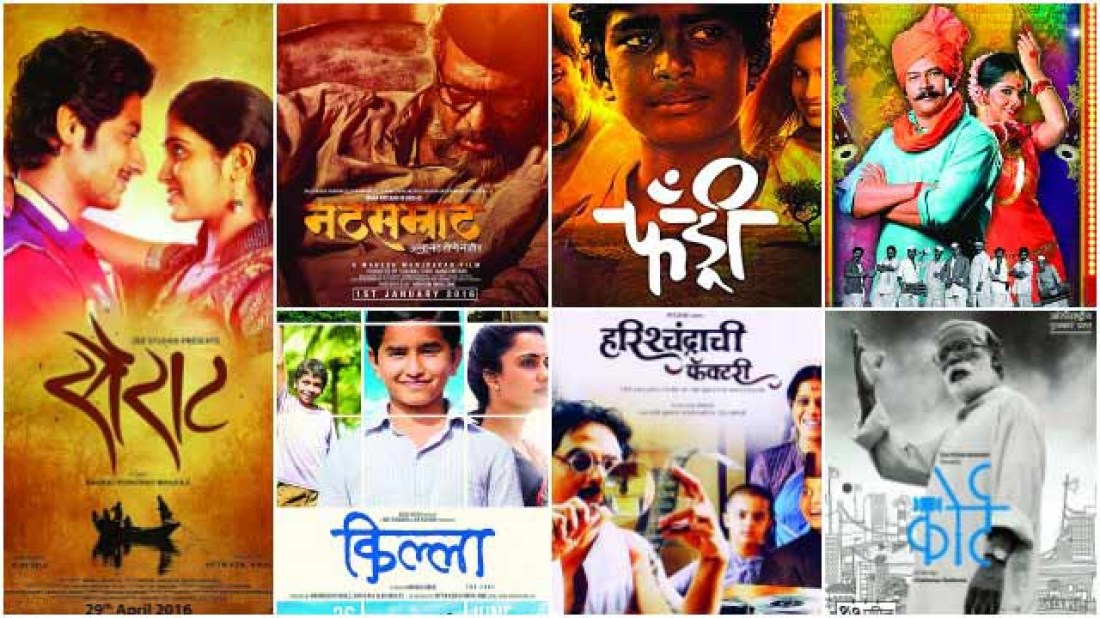
How Well Do We Know The Marathi Audience?

As Indians, we love our culture, take pride in our mother tongue and worship cinema no matter which part of the country we belong to. The government of various states launch programs to promote their regional cinema and the young directors are constantly hunting for unconventional bold content.
So, what is it that stops regional cinema from booming? In this case, specifically Marathi cinema. We have been making Marathi cinema for years now and every time there is a hit, we are convinced that we’ve cracked our audience but have we really done it?

sairat-ki7E--621x414@LiveMint.jpg

We are not denying the fact that there haven’t been hits in the industry. Some of the movies have done wonders at the box office and received equal critical acclamation.
For long, the works of young Marathi filmmakers have been celebrated for being rich in content, technically sound and headlined by some of the finest acting talents in the country. But most of them struggle to make it to the finishing line.

Bollywood is a blessing for the audience but it is no less than a curse for budding regional movies. It continues to cast its long shadow over Marathi cinema and as a result, the Marathi regional industry can’t help but get “overly influenced” by Bollywood which results in losing originality.  As a result, Marathi films are slowly being forced to match up to their Hindi competitors in terms of genres and style — leading to a lot of them looking and feeling like Bollywood films. This trend is worrisome and marks a dark time for Marathi filmmaking.

Bucket List.jpg

It’s about time we understand what our audience wants is not a copy of ‘Bollywood’. It wants to experience its roots and explore its regional diversity. It wants to relate to the content and feel the nostalgia, infused within the culture.

What do you think about the current regional cinema trends? Tell us your opinion regarding the same in the comment section below.
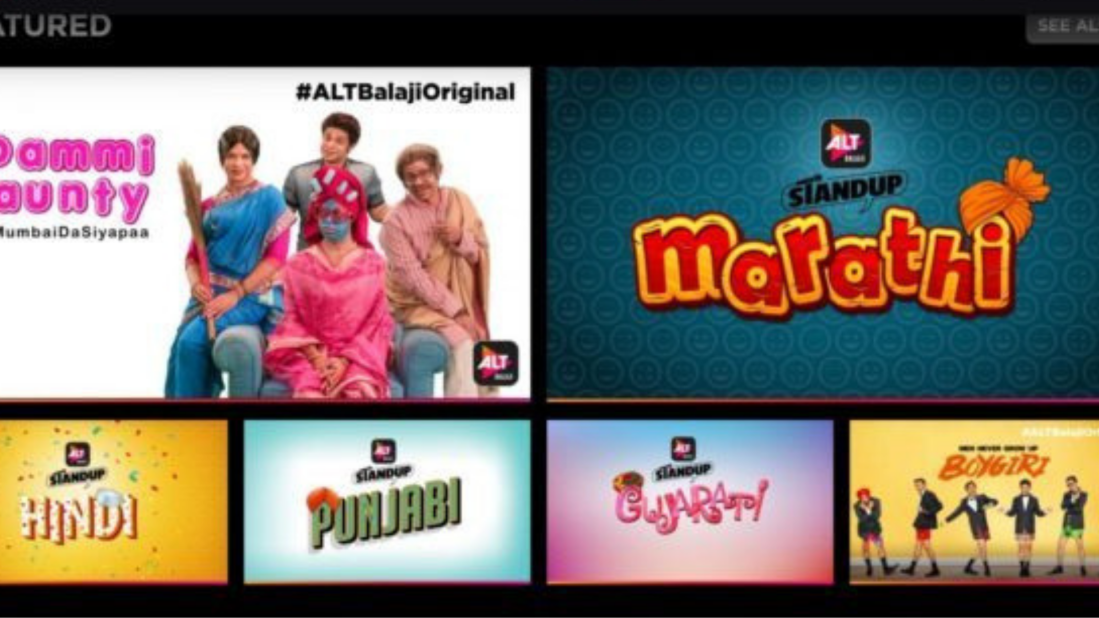
 

The Growing Trend Of Regional Content On OTT Platforms

The new era of content is here and it is here to stay!! The shift to digital content is not an alien concept but what is fascinating is the changing trend within the digital content on Indian OTT platforms.

Gone are the days when people watched content on television along with a varied audience of different age groups sitting together. The urban families have access to their own devices now where they watch content based on what they prefer.

This shift to individual viewing is what led to the advent of the regional content boom in digital and it didn’t take long for OTT platforms to start working towards this growing change.

New strategies by Netflix and Amazon Prime video include generating local and regional content for Indian audiences and well, they are not the only ones doing this.

Amazon committed on investing $300 million for creating original content in Hindi and other regional languages.
Apart from Amazon, video streaming service Viu has started offering service in Telugu after Hindi and Tamil

Experts say that the streaming platforms have realized the potential of regional languages whose speakers are spread across the world. For instance, ALTBalaji’s Tamil show Maya Thirrai witnessed viewership across the Middle East, US, and UK which house huge sections of Tamil population.

 “Regional content definitely gives better uptake in terms of engagement, people usually take half the time to lap up regional content (as compared to Hindi or English).”

As per estimates, the OTT market is currently valued at $280 million with nearly 100 million subscribers, and it is poised to grow at 35 per cent year-on-year.

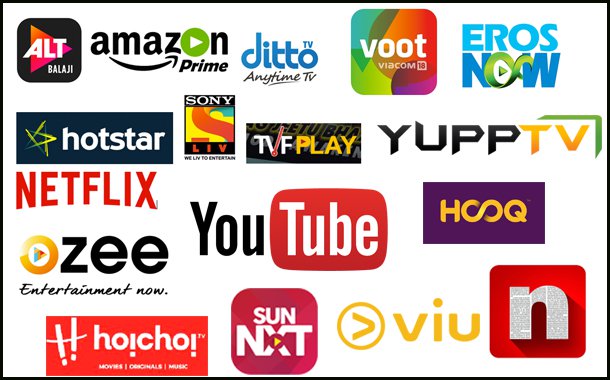
Hotstar, Voot, Amazon Prime Video, Sony Liv, and Netflix are the top OTT platforms in India.

With trends changing at such speed, it is extremely difficult to predict the trends that take place in the digital content but one thing for sure and that is, the audience now knows what they want and the platform that delivers the most shall stay in the long run.

What do you have to say about this? Do you think this growing trend of regional content will sustain the wrath of this industry? Share your views with us in the comment section!!